March 2026 eNewsletter

Check out our shared articles and parenting news including responding to big emotions, enabling safety through distress, developmental benefits of messy play and the importance of self care

Read Online

If you would like to learn more about understanding and supporting your Child’s development, please contact us on 9334 0111 or email us at connect@tncinc.org.au to arrange to talk confidentially with one of our experienced Family Workers.

자녀에게 관심을 가지세요. (Pay attention to your child)

우리는 모두 관심 받기를 원하고, 우리가 가치 있는 존재로 인정받고 이해받기를 원합니다. 미소와 포옹, 손 인사, 친절한 말은 긍정적 인정을 표현합니다. 찌푸림과 묵살하는 또는 거친 말은 부정적 관심을 드러냅니다. 우리가 긍정적 관심을 받지 못하면, 무시 받는 것보다는 어떤 식으로든 관심을 받기를 원합니다.

자녀가 잘 지내고 행복하게 놀고 있다고 생각되면 아이를 혼자 내버려두고 싶어집니다. 아이가 방에서 블록을 여기저기 던지는 것과 같은 행동을 할 때 우리는 그만하라고 소리를 질러 버릇 없이 굴지 못하게 하려고 합니다. 아이는 부모의 관심 끌기라는 결과를 얻어낸 것입니다. ‘부정적 관심이 무관심보다 낫다’라는 말도 있죠.

자녀와 규칙을 마련하기 전에 아이와 강하고 안정된 애정 관계를 우선 형성해야 합니다. 또한 사랑과 긍정적인 메시지는 시간이 흐르면서 아이의 건강한 자아상을 형성하는 데 도움이 될 것입니다. 적어도 자녀당 하루에 20분씩 집중적으로 함께 놀아 주세요. 부모로서 앞으로 수년 간 보상을 받을 것입니다. 아이와 재미 있게 놀고, 블록 타워를 짓고, 시트로 탁자를 덮어 동굴을 만들어 손전등을 들고 들어가 재밌게 놀며 웃으세요. 놀이를 통해 자녀와 건강한 관계를 형성함과 동시에, 우리가 성인으로서 그동안 잊고 있었던 내 안의 숨겨져 있던 자질들을 재발견할 수도 있습니다.

자녀 발달에 대한 이해와 지원에 대해 더 알고 싶으시면 9334 0111로 전화하시거나 connect@thenortherncentre.org.au 연락하셔서 경험이 풍부한 가정 복지사와의 상담을 예약하세요. 모든 상담은 기밀이 유지됩니다.

关注你的孩子 (Pay attention to your child)

我们每个人都想要获得关注、被认可或被感谢,这样我们会觉得我们很重要,会觉得有存在感。一个微笑、一个拥抱、一个招呼、一句善言都是正面的认可。皱眉、回绝或是一个不友好的词却代表着负面的关注。 如果我们不能得到正面的关注,我们就会寻求任何关注,被关注总比被忽视要好。

当我们看到我们的孩子很乖、玩的很开心,我们会不由得想离开一会儿,让孩子一个人玩。当孩子在发脾气,比如在房间里乱扔积木,我们会朝他们大喊,阻止他们,让他们停止胡闹。这时,孩子就达到了目的——获得家长的关注。就像有句话说的:“消极关注也好过没有关注。

在我们对孩子立规矩之前,我们需要先与他们建立有力、牢固和充满关爱的关系。充满关爱和积极的信息也会有助于孩子逐渐建立自我形象。每天跟一个孩子至少专心玩20分钟。作为家长,在以后的年头里,您会得到回报的。陪你的孩子玩耍、搭积木,或在桌上铺条床单做洞穴,打着手电钻进去,充满欢声笑语。玩耍能让你和孩子之间建立非常棒的关系,你也能重新找回长大成人后就渐渐抛弃脑后儿童般的心境。

如果你想了解更多关于如何理解和帮助孩子成长的知识,请拨打电话 9334 0111或前往 connect@thenortherncentre.org.au 网站预约与我们经验丰富的家庭事务工作人员在私密的环境下交谈。

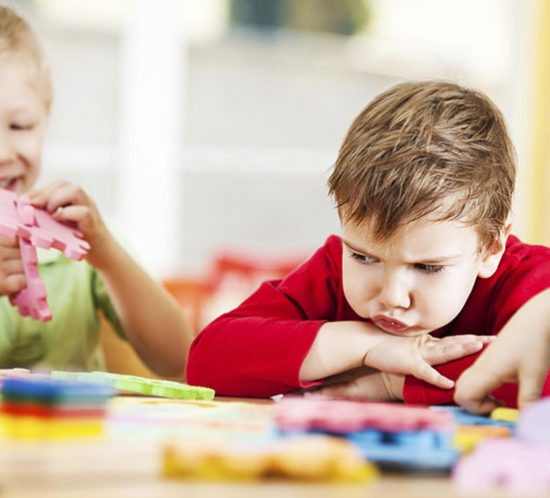
Pay attention to your child

We all want attention, to be acknowledged and appreciated that we are valuable, that we exist. A smile, a hug, a wave, a kind word exhibits positive recognition.  A frown, a rebuff or a harsh word reveals negative attention. If we do not get positive attention then we will seek any attention rather than be ignored.

When we notice our child is good and playing happily, it’s tempting to leave the child alone. When a child is acting out, such as throwing blocks around the room, we try to prevent them misbehaving by yelling at them to stop. The child has achieved the outcome – parental attention. As the saying goes, ‘Negative attention is better than no attention at all’.

Before we can institute rules with our children, we need to build strong stable loving relationships with them first. Loving and positive messages will also help to build your child’s self-image over time. Spend a minimum twenty minutes of focused time a day playing with each child. As a parent, you will reap the rewards for years to come. Have fun with your child, build block towers, create a cave by throwing a sheet over a table and enter into the fun of it with torches and giggling.  Play builds a wonderful relationship with your child and you may re-discover the child-like qualities that many of us leave behind when we become adults with many responsibilities.

If you would like to learn more about understanding and supporting your child’s development, please contact us on 9334 0111 or connect@thenortherncentre.org.au to arrange to talk with one of our experienced Family Workers in a confidential setting.

规范孩子行为最有效的技巧 (Top tips to help improve your child’s behaviour)

减少“说教”,减少“噪音”

作为家长,我们都希望我们孩子听我们的话。我们想让孩子听从我们的指令。但是大多数家长,包括我自己,对我们的孩子说的话太多,给孩子一长串命令,孩子会感到无所适从。你要确保孩子的注意力在你身上,一次给一个命令,比如“把你的书包里的东西拿出来”, 让你的孩子更好的倾听然后执行命令。 这件事完成后,告诉你孩子下一件事是什么,例如“把你的脏衣服放到洗衣篮里”。 发送指令时少说话,这样能减少孩子脑袋里的“噪音”, 还能减少你和孩子间的矛盾。

选择性地战斗

父母常常会告诉孩子“不要做这个或不要做那个了”或是列一串“不许做的事”。 判断一下这个行为的重要性,是否是一个你立刻就想纠正的行为。孩子在房子里拍球对一些父母来说可能只是一个小干扰,可以忽略。 但如果你的孩子在大叫,你是希望你的孩子立即停下来还是你可以忽视这个行为? 所以考虑清楚,你可以忽略孩子的哪些行为,而哪些行为是你想阻止的。以后的文章中,我们还会继续讨论这个问题。

走进你孩子的世界

孩子发脾气很正常。你的孩子可能是饿了、渴了或是累了。出门时记得带点零食和水。但你的孩子对生活中发生的事情不论是感到伤心还是感到开心,要使用那些反应你孩子感受的词语或句子——“你好像不开心”,“听起来你对这件事很骄傲” 或者 “你在担忧这件事会如何进展”,这些带有反映情绪的话语让孩子知道你理解他们的世界。带着同情心倾听,保持冷静,使用4-5个反映情绪的话语,这些是缓解你孩子所表现的紧张情绪的关键。下次对你的孩子试一试这个方法。也在你伴侣和朋友身上试试。他们的反应会让你大吃一惊。


如果你想了解更多关于如何理解和帮助孩子成长的知识,请拨打电话 9334 0111或前往 connect@thenortherncentre.org.au 网站预约与我们经验丰富的家庭事务工作人员在私密的环境下交谈

자녀의 행동을 개선하는 데 도움이 되는 조언 (Top tips to help improve your child’s behaviour)

‘말’을 줄이고 ‘소음’을 줄이세요.

부모로서 우리는 모두 자녀가 우리의 말을 듣고 지시를 따르기를 바랍니다. 하지만 저를 포함한 대부분의 부모님은 자녀에게 말을 너무 많이 하고 아이에게 벅찬 것들을 지시합니다. 자녀가 주의를 기울이도록 하고 “책가방 풀어”와 같은  한번에 하나의 지시를 내리고 자녀가 그것을 이행하는 것을 도와주세요. 일단 그 일이 끝나면 아이에게 ” 더러운 옷을 바구니에 넣어”와 같은 다음 과제를 주세요. 지시 사항을 줄 때 말을 줄이는 것은 자녀의 뇌에 ‘소음’을 줄이는 데 도움이 되고, 여러분과 자녀 사이의 갈등을 줄여 줄 것입니다.

제지할 것과 하지 않을 것을 고르세요.

부모가 자녀에게 “이런거 하지마, 저런거 하지마”라고 하거나 많은 것에 “안 돼” 라고 말하기 쉽습니다. 그 행동의 중요성과 그것이 여러분이 지금 바꾸고 싶은 것인지 결정하세요. 집에서 공을 튀기며 노는 것은 어떤 부모에게는 약간 짜증 날 수 있고, 어떤 부모는 그 행동을 무시할 수도 있습니다. 하지만 아이가 소리 지르고 있다면 이런 행동은 그만하게 하고 싶은 건가요 아니면 무시할 수 있을까요? 자녀의 어떤 행동을 무시할 수 있고, 어떤 행동을 그만하게 할지 생각해 보세요. 향후에 이에 대해 더 논의하도록 하겠습니다.

자녀의 세상에 맞춰보세요.

아이들이 짜증을 내는 것은 흔한 일입니다. 아이가 배 고프거나 목마르거나 피곤할 수도 있습니다. 외출해서 돌아다닐 때 과자와 물을 가지고 다니세요. 자녀가 살면서 일어나는 일에 화가 나거나 기쁠 때는 자녀가 어떻게 느낄지를 반영하는 단어와 문장을 사용하세요. “너 화난 것 같구나”, “그 성과에 대해 자랑스러워 하는 것 같네”,  “어떻게 될지 걱정하는구나”와 같은 말은 자녀의 세계를 이해하고 있다는 것을 보여 주는 말입니다. 공감하며 듣고 차분함을 유지하고 아이에게 4~5개의 상호적인 말을 사용하는 것이 아이가 보여 주는 강한 감정을 풀어주는 열쇠입니다. 다음에 여러분의 아이에게 시도해 보세요. 여러분의 배우자와 친구에게도 해보세요. 사람들의 반응에 놀랄 수도 있습니다.


자녀 발달에 대한 이해와 지원에 대해 더 알고 싶으시면
9334 0111로 전화하시거나 connect@thenortherncentre.org.au 연락하셔서 경험이 풍부한 가정 복지사와의 상담을 예약하세요. 모든 상담은 기밀이 유지됩니다.

Top tips to help improve your child’s behaviour

Reduce ‘The Talk’, Reduce ‘The Noise’

As parents we all want our children to listen to us. We want our children to hear our instructions. But most parents, including myself, talk too much to our children, giving them a list of instructions that is overwhelming for a child. Ensure you have your child’s attention and give one instruction at a time such as “unpack your school bag”, helps your child hear and carry out the task. Once that is completed tell your child the next task, such as “put your dirty clothes in the basket”. Reducing the talk when issuing instructions helps to reduce ‘noise’ in a child’s brain and it will reduce the conflict between yourself and your child.

Pick Your Battles

It’s tempting for parents to tell their child to “stop doing this or that” or issue a list of “no’s”. Decide on the importance of the behaviour and whether it is something you want changed now. Bouncing a ball in the house may be a small irritation to some parents and could be ignored. If your child is yelling, though, is this a behaviour you want your child to stop or could you ignore it? So consider which behaviours you could ignore from your child and which you want stopped. In future posts, this will be discussed further.

Tune in to Your Child’s World

It is not unusual for a child to have a tantrum. Your child may be hungry, thirsty or tired. Carry snacks and water when you are out and about. For those times when your child is either upset or pleased about an event in their life, use words and statements to reflect back to your child how they may feel – “You seem upset”, “It sounds like you were proud of that achievement” or “You’re worried how it will go” are some reflective statements showing the child that you have an understanding of their world. Listening with empathy, being calm and using 4 – 5 reflective statements back to your child is key to lowering the intense feelings which a child displays. Try it next time on your child. Try it on your partner and friends too. Their reaction may surprise you.

If you would like to learn more about understanding and supporting your child’s development, please contact us on 9334 0111 or connect@thenortherncentre.org.au to arrange to talk with one of our experienced Family Workers in a confidential setting.

아이가 스마트기기로 인해 화를 내는 것을 예방하는 방법 (Preventing Techno-Tantrums)

크리스티 구드윈 박사(Dr Kristy Goodwin)

자녀가 여러분에게 소리지르며 말합니다, “세상에서 제일 나쁜 엄마야!” 쿵쾅거리며 걸어다니고 씩씩거리고 주먹을 움켜쥐고 좋지 않은 행동을 하죠. 이 모든게 다 여러분의 아이폰을 돌려달라고 했기 때문이죠. 현대 부모로서 아이가 스마트기기 때문에 성질을 내는 것은 누구라도 경험했을 것입니다.

현대 부모로서 현실적으로 우리는 아이가 스마트기기 때문에 화 내는 것을 받아들여야 하는건가요?

이미 설명한 것과 같이 스마트기기 때문에 화를 내는 것은 전적으로 정상적이고 종종 아이가 기기를 사용할 때 일어나는 신경생물학적 변화의 결과이기도 합니다. 하지만 우리가 현대 부모로서 이것을 현실로 받아들여야 한다는 뜻은 아닙니다.

스마트기기로 화를 내는 아이에 대해 알아야 할 것

  • 자녀가 왜 스마트기기 때문에 화를 내는지 대해 이 글을 더 읽어보세요 (그저 부모를 화나게 하려고 하는 것은 아닙니다)
  • 스마트폰을 돌려주기 싫어하거나 노트북을 닫기 싫어한다는 것이 그것에 중독됐다는 것은 아닙니다. 이는 (강한) 신경생물학적 반응을 일으키고 있다는 뜻이고 그런 행동이 어느 정도 지속되고 있다면 건강한 새 스마트기기 습관을 길러주어야 합니다.
  • 시간이 지나면서 부모가 미디어 규칙을 지속적으로 지도하면 아이가 스마트기기 때문에 화를 내는 것이 줄어 들거나 완전히 사라질 것입니다.

아이가 스마트기기 때문에 화를 내는 것을 최소화할 수 있는 간단한 전략이 있습니다. 이 전략을 사용해서 기기를 끄라고 했을 때 언제나 아이가 기쁘게 기기를 끈다고 보장할 수는 없지만 감정 폭발 가능성은 분명히 줄일 수 있습니다. 다음 전략은 스마트기기 때문에 화를 내는 정도를 줄이는 데 도움이 되고 시간이 지나면서 사라지게 될 것입니다.

  • 얼마나 기기를 사용할 수 있는지에 대해 분명한 지침을 세우고 실행하세요.
  • 시간보다는 양에 더 중점을 두세요.
  • 알람이나 시계를 이용하세요.
  • 시간이 되기 전에 기기를 끌 때가 되어간다는 것을 신호와 말로 상기시켜 주세요.
  • 아이가 스스로 기기를 끌 수 있게 해주세요.
  • 그 후에 어떻게 할 지에 대한 계획을 세우세요.
  • 부모 중 한 쪽이 더 엄하게 양면술을 사용합니다.
  • 지속적이어야 합니다.

스마트기기 때문에 화를 내는 것은 발달 과정의 정상적인 부분이라는 것을 기억하세요. 이러한 감정은 아이가 어떻게 다뤄야할지 배우지 못한 격한 감정입니다. 그렇기 때문에 부모로서 또는 훈육자로서 우리의 역할이 매우 중요합니다. 눈물을 흘리지 않고도 이 강한 감정을 어떻게 다뤄야 하는지 보여줘야 합니다.

어린 아이들은 제한된 삶의 경험 때문에 이 상황에 대처할 수 있는 깨닳음이나 어려움의 정도에 대한 수치가 없다는 것을 기억하세요. 그래서 스마트폰을 돌려달라고 했을 때 (아이의 뇌가 도파민을 많이 만들어 내고 스마트폰에 빨려 들어가 있는 상태일 수도 있고 새롭거나 재밌는 볼거리가 있을 수도 있습니다) 아이들에게는 이것이 어려움 수치 중 10으로 느껴질 것입니다.

상황을 개인적으로 받아들이지 마세요. 모든 연령대나 발달 단계와 같이 이것 또한 지나갈 것입니다.

防止孩子因为不让玩电子产品而发脾气 (Preventing Techno-Tantrums)

作者:克里斯提·古德维博士(Dr Kristy Goodwin)

你的孩子朝你大喊大叫“你是世界上最糟糕的妈妈!”。他可能会跺脚、气呼呼、双拳紧握、嘟嘟囔囔,还有其他一些(不招人喜欢的)行为。之所以有这些行为都只是因为你想要回你的苹果手机!作为现代父母,我们可都有这样的经历,这很有可能是孩子因为不让玩电子产品而发脾气。

所以这就意味着我们这些现代父母必须接受孩子因为不让玩电子产品而发脾气吗?

就像我之前解释过的,孩子因为不让玩电子产品而发脾气是非常正常的,通常是孩子使用电子产品时产生神经生物性的变化,才导致孩子发脾气。但是,这不意味着我们这些现代父母必须接受孩子因为不让玩电子产品而发脾气的现实。

关于孩子因为不让玩电子产品而发脾气你需要知道的事

  • 在这里您可更进一步的了解为什么孩子因为不让玩电子产品而发脾气(不是只为了激怒你),
  • 孩子不喜欢交还手机或关掉电脑并不说明他们已经上瘾了。这只说明他们当时的神经生物反应(很)强,如果孩子这样发脾气已经有一段时间了,你可能需要帮助孩子培养一些新的健康使用电子产品的习惯。
  • 慢慢地,如果你一直坚持这些使用电子产品的规定,孩子因为不让玩电子产品而发脾气的情况就会减少或完全没有了。

这里有一些简单的方法让你避免孩子因为不让玩电子产品而发脾气。虽然我不能保证这些方法每次都让你的孩子在接到指令时都愉快地关掉电子设备,但确实能降低情绪爆发的概率(即,孩子因为不让玩电子产品而发脾气)。以下方法会让孩子发脾气不那么严重,一段时间后,孩子因为不让玩电子产品而发脾气的现象就会消失:

  • 对孩子使用电子产品的时长制定严格规定,并且严格执行
  • 注重数量而不是时间长短
  • 使用计时器或时钟
  • 在时间结束前给孩子暗示或口头提醒,让孩子放下设备前有个过渡。
  • 鼓励孩子自己关闭设备
  • 有后续方案
  • 充当红脸,要严厉
  • 坚持执行规则

孩子因为不让玩电子产品而发脾气是发育中正常的表现。孩子不具备处理这些即来即去型的情绪的能力。因此,我们作为父母和教育者的工作就至关重要——我们向孩子们展示应对这种强烈情绪的方法,光哭是没有用的。

记住,目前你的小孩在处理这些问题时,还看不明白事情发生后出现的问题,也不明白区分事情的灾难程度,因为他们的生活经验有限。当你想要回你的手机时(他们的大脑正分泌大量的多巴胺,可能处于流动的状态,并且产生新的东西-一些令人兴奋的新事物),这种感觉就像是遇到10级灾难。

不用往心里去。就像所有年龄段和阶段一样,这种现象也会过去的。

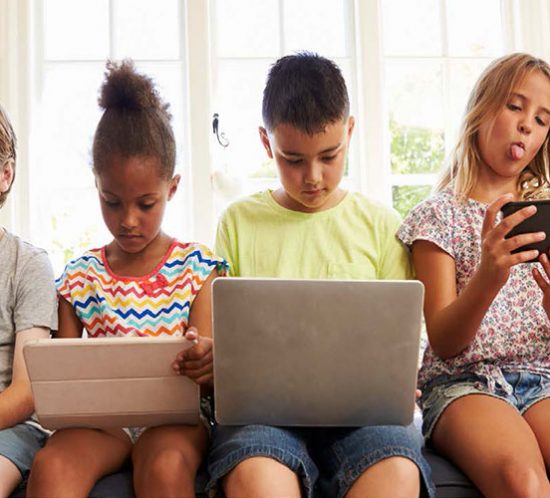
Preventing Techno-Tantrums

By Dr Kristy Goodwin

Your child screams at you telling you, “You’re the worst mum in the world!” This might be followed by feet-stomping, huffs and puffs, clenched fists, grunting and a host of other (undesirable) behaviours. And all of this because you simply asked for your iPhone back! As modern parents, chances are we’ve experienced our children throwing a techno-tantrum.

So does this simply mean that we have to accept techno-tantrums, as a modern parents’ reality?

As I’ve previously explained, techno-tantrums are completely normal and often a result of the neurobiological changes that occur when kids use technology. But this doesn’t mean that we have to simply accept that they’re part of our modern parenting reality.

What you need to know about techno-tantrums

  • You can read more about why kids have techno-tantrums here (and it’s not just to infuriate you);
  • Just because your child doesn’t like handing over your smartphone, or shutting the laptop lid doesn’t mean they’re addicted. It simply means that they’re having a (strong) neurobiological response and if their tantrums have been occurring for a while, you may need to establish some new healthy, technology habits.
  • Over time, if you’re consistent with your media rules, your child’s techno-tantrums are likely to subside or completely disappear.

There are some simple strategies that we can do to minimise the onset of a techno-tantrum. Whilst I can’t guarantee that these will always ensure that your child gleefully switches off their device when asked, they can certainly reduce the chances of experiencing an emotional explosion (aka. a techno-tantrum). The following strategies will help to reduce the severity of a techno-tantrum and over time, techno-tantrums will dissipate:

  • Establish and enforce firm guidelines about how long they can use screens
  • Focus on quantity not duration
  • Use a timer or clock
  • Provide cues and verbal reminders to transition away from the device before their time elapses
  • Encourage young children to switch the device off themselves
  • Have a succession plan
  • Play bad cop
  • Be consistent

Remember, techno-tantrums are often a normal part of development. They’re an emotional storm that children aren’t yet equipped to handle. That’s why our job as parents and educators is so critical – we have to show them how to deal with these big emotions without always combusting into fits of tears.

Remember, young children don’t yet have the hindsight or catastrophe scale to deal with this situation because of limited life experiences. So when you ask for your smartphone back (and their brain is giving them lots of dopamine, they might be in the state of flow and there’s novelty- something new and exciting to look at), this feels like a level 10 on the catastrophe scale.

Don’t take the situation personally. Like all ages and stages, this too shall pass.

If you would like to learn more about helping your child in a digital world, check out our Events web page for upcoming Dr Kristy Goodwin events.

Quick Exit